Credit cards
A snapshot comparison of 10 popular Indian credit cards, grouped by what they're best for — not a live feed, and not personalized advice. Every card links to the issuer's own page for current terms.
Premium & Travel

- ·3.33% value-back across all spends
- ·Unlimited domestic and international airport lounge visits
- ·Complimentary memberships to Marriott Bonvoy, Amazon Prime & more
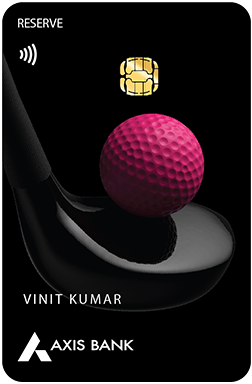
- ·Low 1.5% foreign currency markup fee
- ·Unlimited lounge access in India and abroad
- ·15 EDGE reward points for every ₹200 spent
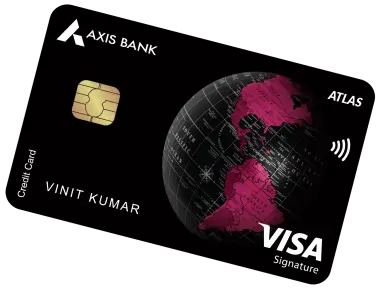
- ·Up to 10% value-back on travel spends
- ·Complimentary lounge access worldwide
- ·1:2 redemption ratio on partner airlines & hotels
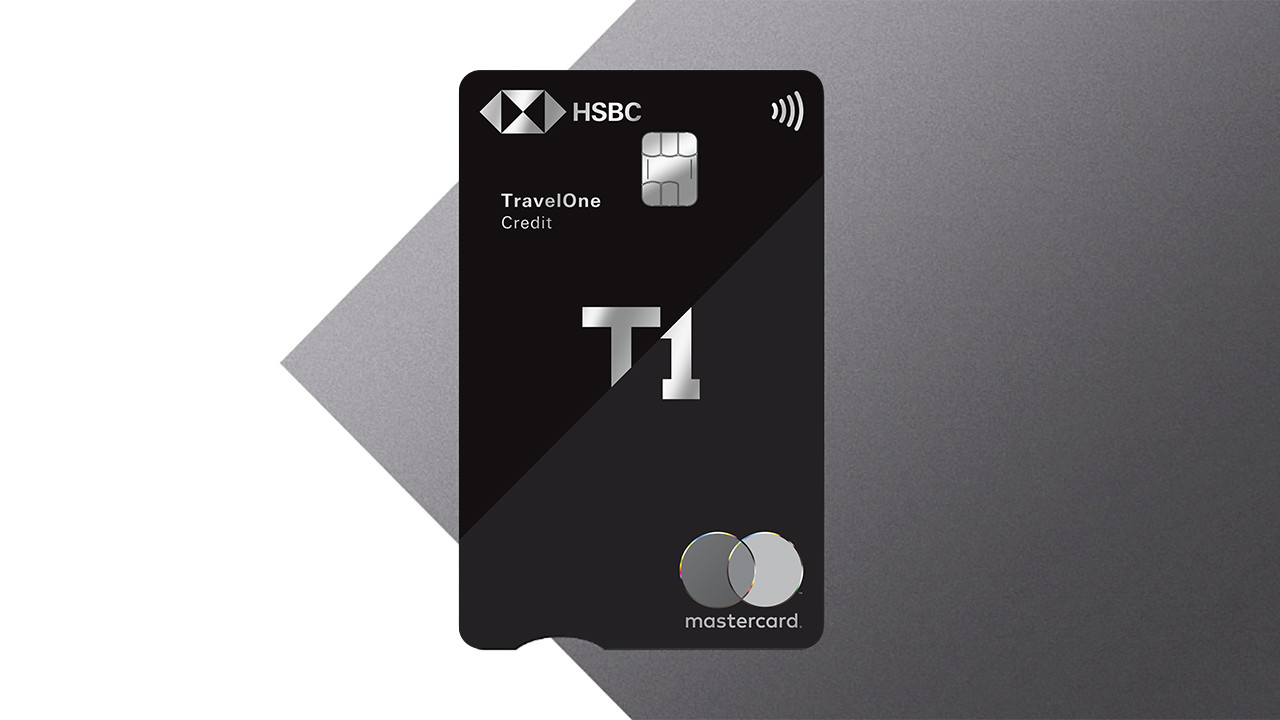
- ·Up to 15% off on top travel booking platforms
- ·Up to 12% back as reward points
- ·6 domestic + 4 international lounge visits
Cashback
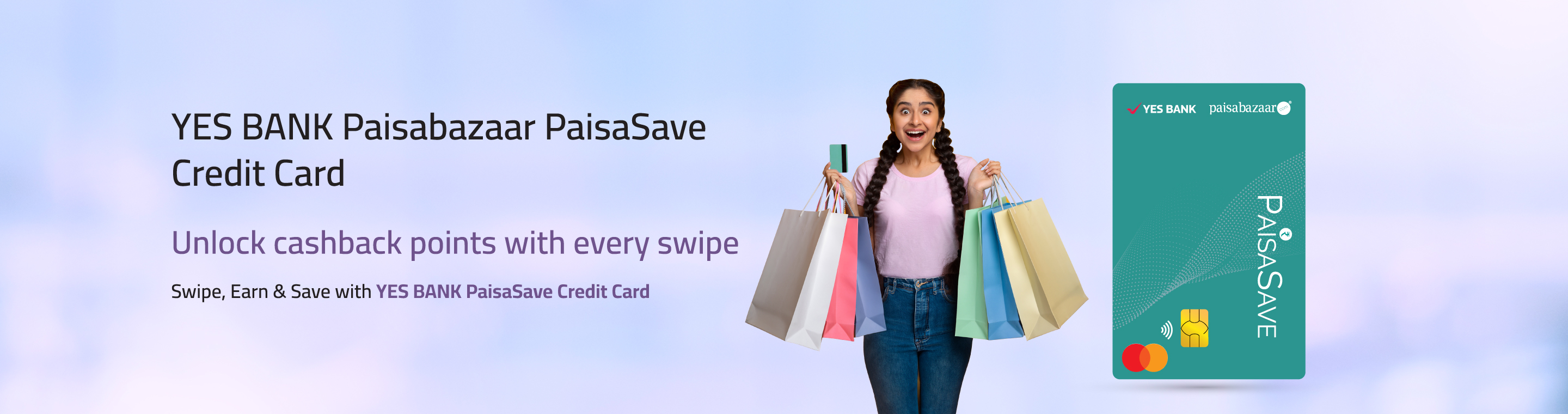
- ·6% cashback across all travel spends
- ·6% cashback on all dining spends
- ·1% unlimited cashback on UPI transactions
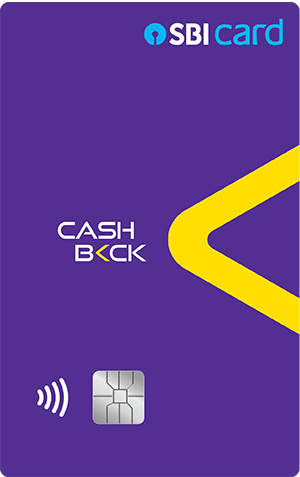
- ·5% cashback on online spends
- ·Up to ₹48,000 cashback in a year
- ·Annual fee waived on ₹2 lakh+ spends in a year
Shopping & Lifestyle

- ·5X reward points on Nykaa, Myntra & more
- ·Vouchers worth up to ₹16,000 every year
- ·12 domestic + 6 international lounge visits per year

- ·Discounts on Swiggy, BigBasket & District app orders
- ·Complimentary lounge access worldwide
- ·2X reward points across all retail spends

- ·Up to 10% savings on Tata Neu app spends
- ·Up to 5% value-back on other spends
- ·Complimentary airport lounge access
Fuel
- ·Up to 8.5% savings on fuel spends
- ·Accelerated value-back at IndianOil petrol pumps
- ·Up to 15 reward points per ₹100 spent
How to choose
A premium travel card's lounge access and airline transfers are wasted if you rarely fly. Look at last year's spending by category — travel, dining, groceries, fuel, online shopping — and shortlist cards that reward whichever category dominates.
A ₹10,000 annual fee only makes sense if the card's rewards and complimentary memberships genuinely exceed that in a normal year for you — not a best-case year. Free or low-fee cards are usually the safer default unless you can already see the higher-fee card paying for itself.
Card issuers publish minimum income and credit score criteria (most premium cards expect a CIBIL score above 750). Applying for a card you're unlikely to qualify for creates a hard inquiry on your credit report for no benefit.
Several cards above waive their annual fee above a spending threshold (e.g. the Cashback SBI Card waives its fee above ₹2 lakh/year in spends). Confirm the exact threshold and renewal terms on the issuer's own page before applying — thresholds and terms change and the issuer's page is always the authoritative source.
How to apply
- 1Check your credit score first (available free from CIBIL, Experian, or your bank/aggregator app) — most well-rewarding cards expect 750+.
- 2Compare 2–3 shortlisted cards' fees, benefits, and eligibility criteria on the issuer's own page (linked below for each card).
- 3Apply directly on the issuer's website or app, or through an aggregator like Paisabazaar/BankBazaar, which can show a pre-approval likelihood before you submit a full application.
- 4Have PAN, address proof, and income proof (salary slips or ITR for self-employed) ready — exact document requirements vary by issuer and are listed on their application page.
- 5A hard credit inquiry is recorded when you formally apply, which can briefly affect your credit score — this is why comparing and checking eligibility first (steps 1–2) matters.
Informational only, not personalized financial advice — eligibility, fees, and terms are set by each issuer and can change; confirm current details on their page before applying.